
The right amount of tubeless sealant depends on your tire size and volume. Orange Seal recommends starting with the appropriate amount for your tire, then checking your sealant level regularly rather than simply adding more sealant on a schedule.
Quick answer: start with 1–2 oz (30–60 ml) for road tires, 2 oz (60 ml) for gravel, 3 oz (90 ml) for 26–27.5" mountain tires, 4 oz (120 ml) for 29–32" mountain tires and 6–8 oz (180–240 ml) for plus and fat tires. Then check your level every 30–45 days.
| Tire Size | Initial Sealant Amount |
|---|---|
| 23–32c Road | 1–2 oz30–60 ml |
| Gravel / CX 700c & 650b | 2 oz60 ml |
| 26–27.5"Mountain | 3 oz90 ml |
| 29–32"Mountain | 4 oz120 ml |
| 3.0–5.0"Plus & fat | 6–8 oz180–240 ml |
As tire volume and internal surface area increase, more sealant is needed to coat the inside of the tire, fill porosity in the casing, help seal imperfections at the tire-and-bead interface, and still leave enough liquid sealant available to respond when a puncture occurs.

For example, Orange Seal recommends 4 oz for a 29er because the sealing process begins as soon as the tire is set up. Orange Seal coats the tire as it begins sealing porosity in thin sidewalls and imperfections around the tire and bead mating surface.
The recommended initial amount is for setting up the tire. That does not mean you should automatically add that same amount every time you perform maintenance.
Sealant is consumed as it does its job.
Instead of guessing how much remains in your tire, check the liquid sealant level and add only what is needed.
To check the level correctly, position the valve at the 6 o’clock position, remove the valve core, and suspend the bike so the tire is not compressed. Insert the dipstick through the valve until it reaches the bottom of the tire, then remove it and check the reading.
When setting up your tires for the first time, add the recommended amount of sealant—typically 2–4 oz., depending on tire size—and take an initial dipstick reading. Use that reading as your baseline for future checks.
When checking later, you should still see liquid sealant on the dipstick. If the level has dropped significantly from your original reading, add sealant as needed to return it to the proper level.
Orange Seal recommends checking your sealant level every 30–45 days.
Using the Orange Seal dipstick allows you to check the liquid level without removing the tire.

Position the valve at 6 o'clock.
Remove the valve core.
Suspend the bike so the tire is not compressed.
Insert the Orange Seal dipstick through the valve stem until it reaches the bottom of the tire.
Remove the dipstick and check the wet sealant level.
Add Orange Seal only when needed.
Your riding conditions, climate, tire construction and the amount of riding you do can affect how quickly sealant is consumed.
The goal isn't simply to add more sealant.
The goal is to maintain the right amount of liquid sealant in your tire.
A dry dipstick means it's time to add sealant.

Add the recommended amount for your tire size, then check the level again. Once you know what a properly maintained sealant level looks like for your tire, use that as your reference during future checks.
There are two different valve positions to remember.
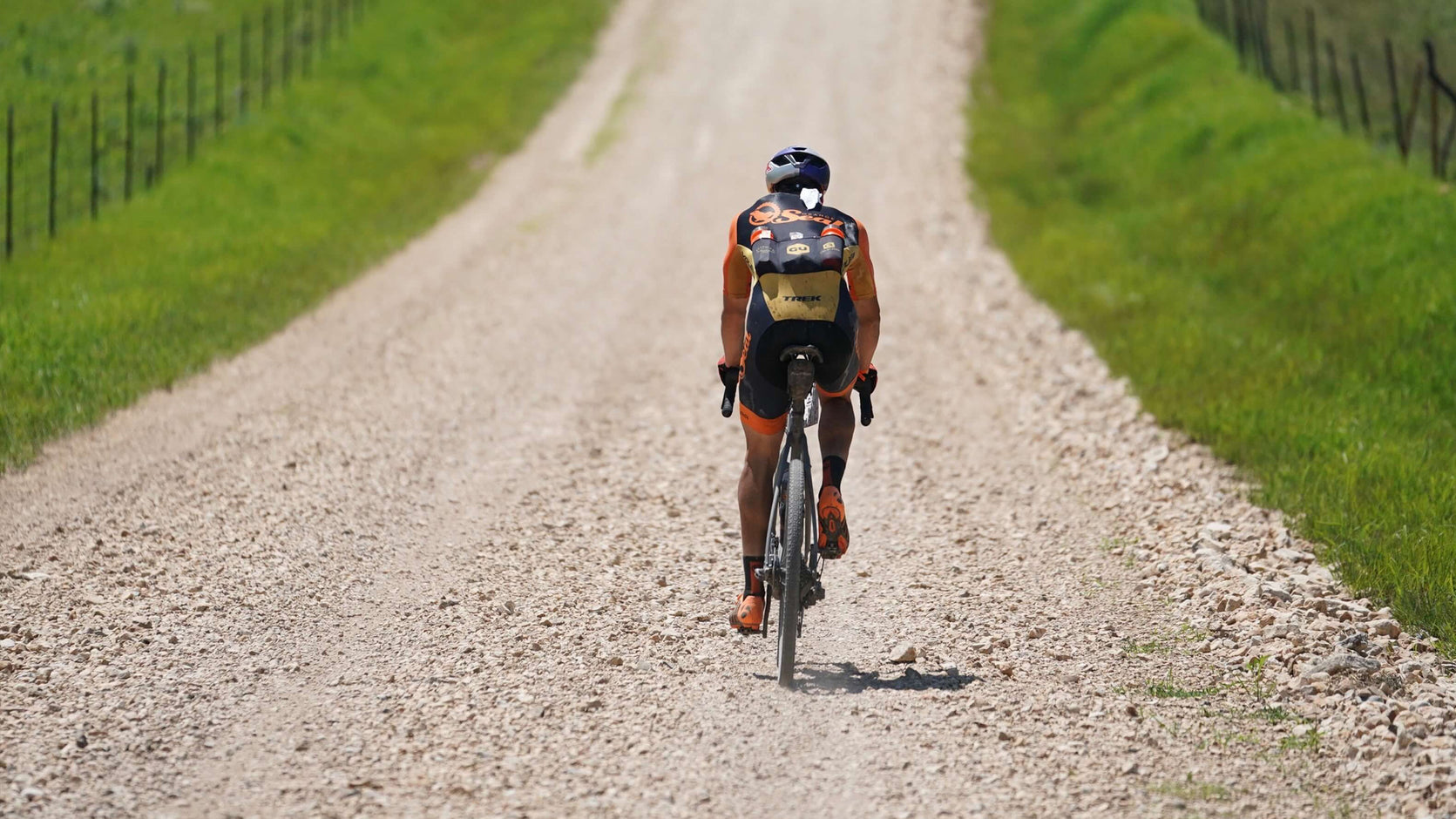
Tubeless systems need maintenance. Tire size gives you the starting amount, but checking the liquid sealant remaining in your tire tells you when it's actually time to add more.
Check your sealant every 30–45 days, maintain the proper liquid level and spend more time riding.
Shop SealantsFind the right products to keep you sealed.

Check your sealant level without removing the tire. Ask your local Orange Seal dealer.
Find a DealerDevelop a website by finding a product identity that has value and branding to become a characteristic of a company. We will also facilitate the business marketing of these products with our SEO

